


In every democratic society, political competition is inevitable. Aspirants will contest, supporters will express differing opinions, and party primaries will naturally produce both winners and disappointed contestants. What ultimately defines the strength of a political party, however, is not the absence of disagreements but its willingness and ability to reconcile differences in pursuit of a common goal.
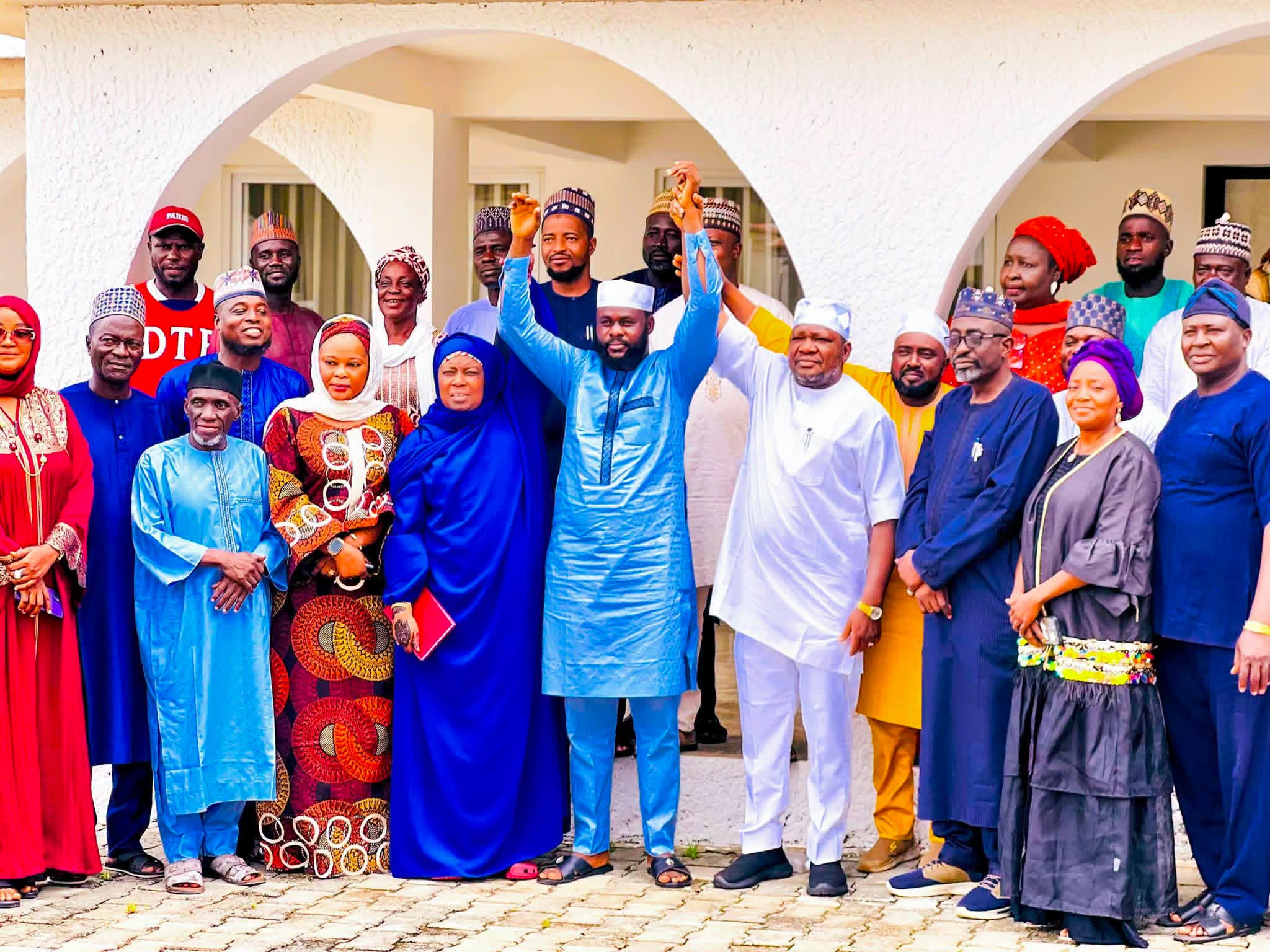
This principle was evident in the recent reconciliatory meeting convened by the Deputy Governor of Niger State, Comrade Yakubu Garba, with aggrieved members of the All Progressives Congress (APC), party leaders, stakeholders, and aspirants from Shiroro Local Government Area.
According to an official statement issued by the Press Secretary to the Deputy Governor, Ummikhaltume Abdullahi Kuta, the meeting was initiated to foster reconciliation, encourage dialogue, and strengthen the party’s cohesion ahead of the 2027 general elections.
Beyond the immediate political discussions, the gathering reflected a broader understanding that internal harmony remains one of the greatest assets any political organisation can possess, particularly after the conclusion of party primaries.
Primary elections, by their very nature, are competitive. Every aspirant enters the contest with hope, commitment, and the support of loyal followers. Yet once candidates emerge, the focus of any serious political party must gradually shift from competition to collaboration. Failure to make that transition often creates divisions capable of weakening even the strongest political structures.
It is against this backdrop that the Deputy Governor’s appeal deserves attention. His call on aggrieved members to sheath their swords, embrace reconciliation, and place the collective interest of the APC above individual grievances underscores an important lesson in democratic leadership. Sustainable political success is rarely achieved through prolonged internal conflicts; it is built through dialogue, compromise, and mutual respect.
Equally significant was his appeal for party leaders and stakeholders to discourage inflammatory statements capable of creating further divisions. In today’s digital age, where information travels within seconds and political narratives are shaped as much online as on the campaign trail, responsible communication has become an essential component of leadership.
Political differences should inspire constructive debate rather than personal hostility. While criticism remains an integral part of democracy, it is most beneficial when it focuses on policies, ideas, and performance instead of deepening divisions or encouraging unnecessary hostility among party faithful.
Another notable aspect of the meeting was its emphasis on grassroots mobilisation. Political parties derive their true strength not merely from prominent office holders but from ordinary members across wards, polling units, and communities. Rebuilding trust at the grassroots therefore becomes more than an internal party exercise; it is the foundation for stronger participation, confidence, and collective ownership of the party’s vision.
The Deputy Governor also used the occasion to commend Governor Rt. Hon. Mohammed Umaru Bago for his efforts in promoting cohesion within the APC and for the administration’s ongoing developmental projects across Shiroro Local Government Area. He cited major infrastructure projects, including the Dandaudu–Gwada–Kuta–Rafin Kuka–Zumba Road and the Minna–Pina Road, as examples of investments aimed at improving connectivity, stimulating economic activities, and enhancing the well-being of residents.
Whether viewed from a political or developmental perspective, such projects reinforce an important reality: governance and politics are closely connected. Political stability often creates the environment necessary for development initiatives to flourish, while visible development strengthens public confidence in leadership.
Perhaps the most encouraging outcome of the meeting was the reported decision by all aggrieved aspirants and stakeholders to put aside their differences and work collectively for the success of the APC in the forthcoming elections. Such commitments, if consistently honoured, have the potential to strengthen not only party structures but also public trust in the democratic process.
For Shiroro Local Government Area, this reconciliation effort carries significance beyond electoral calculations. It demonstrates that dialogue remains more productive than prolonged confrontation and that leadership is ultimately measured by the ability to bring people together, especially after periods of intense political competition.
As preparations for the 2027 general elections gather momentum, political parties across the country will continue to organize consultations, strategy meetings, and stakeholder engagements. The real measure of success, however, will not be the number of meetings held but the sincerity with which leaders transform resolutions into practical actions that promote inclusiveness, mutual respect, and collective responsibility.
Democracy flourishes where disagreements are managed with maturity, ambition is balanced with responsibility, and political actors recognize that today’s competitors can become tomorrow’s partners in governance.
Ultimately, elections are temporary, but the relationships built within political parties and communities endure long after campaign seasons have passed. Preserving those relationships through dialogue, reconciliation, and statesmanship not only strengthens political parties but also deepens the democratic culture upon which sustainable development depends.
If the spirit demonstrated at the Shiroro reconciliation meeting is sustained, it may well be remembered as one of the important milestones in the APC’s preparations for the 2027 general elections—not only in Shiroro Local Government Area but across Niger State.
Author’s Note
This article is an independent analysis inspired by the official press statement issued by Ummikhaltume Abdullahi Kuta, Press Secretary to the Deputy Governor of Niger State, following the APC reconciliation meeting with stakeholders and aspirants in Shiroro Local Government Area on 8 August 2026. The views expressed are those of the author and are intended to promote constructive political dialogue, democratic engagement, and peaceful participation in the electoral process.
Abubakar Abdullahi el-Kurebe is a Librarian and Information Scientist, writer, and media/public communications practitioner. He is the Information Officer with the Shiroro Local Government Council, Niger State, and is actively involved in community development, civic engagement, and public affairs communication. His writings focus on governance, leadership, community development, youth empowerment, and social issues.
For comments, feedback, or enquiries, he can be reached via: sadeequllah19@gmail.com.
