


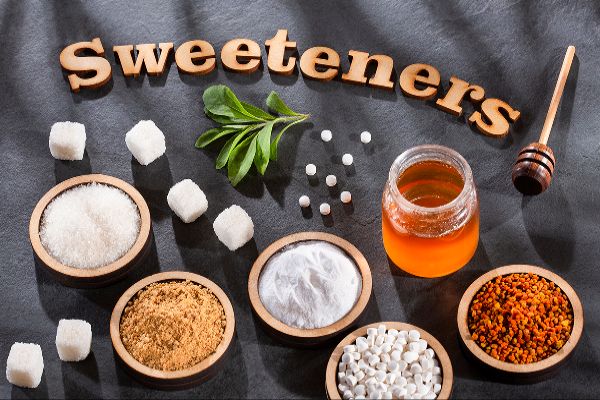
The World Health Organization says that sweeteners don’t help with weight loss and may cause health issues, but some researchers say sugar substitutes still have their uses
By Clare Wilson
The World Health Organization (WHO) has advised most people to avoid most kinds of “non-sugar sweeteners”, after a 2022 review of the evidence found they don’t help with weight control long term and may cause diabetes, heart attacks and death. Here’s what you need to know.
Which sweeteners are the concern?
The WHO says most sweeteners are problematic, both artificial ones, such as aspartame and saccharin, as well as ones made from plants, such as stevia. The exception is sweeteners made from sugar alcohols called polyols, which don’t fall under the “non-sugar sweeteners” umbrella and weren’t included in the review.
Aren’t sweeteners supposed to help people lose weight?
The idea is that food and drinks with sweeteners help people reduce their sugar intake, as too much sugar is linked with higher weight, type 2 diabetes and heart disease. The trouble is that the evidence supporting this is mixed. Some short randomised trials have found that consuming drinks with sweeteners instead of the full-sugar versions can reduce weight gain in children, but others have failed to show a benefit.
Population studies tend to show that sweetener consumption correlates with higher rates of diabetes and heart disease – but this could be because people are more likely to use sweeteners if they are heavier to start with, says Duane Mellor at Aston University in Birmingham, UK. The WHO says: “The available evidence suggests that use of non-sugar sweeteners does not confer any long-term benefit in reducing body fat.”
What about managing diabetes?
The WHO says its advice doesn’t apply to people who already have diabetes, because making recommendations for this group was outside the scope of the review and studies in people with diabetes weren’t included. That said, people with type 2 diabetes, where blood sugar can get too high, generally need to limit the amount of sugar they eat.
If sweeteners don’t help, are they harmful?
Some research has suggested unexpected harms from specific kinds of sweeteners, generally from small studies in people or those involving animals. For instance, last year, it was found that saccharin and sucralose may raise blood sugar levels. This year, preliminary evidence emerged that a common polyol sweetener called erythritol could promote blood clots, although the polyols weren’t included in the WHO’s review anyway.
Findings such as these contradict initial assumptions that sweeteners are biologically inert. Nevertheless, current official health advice in most countries says people should choose artificial sweeteners over sugar.
So, do others agree we should ditch sweeteners?
It’s complicated. Researchers say sweeteners still have their use, despite the WHO advising against them. “The recommendation could have been a bit more nuanced in acknowledging the potential utility of non-sugar sweeteners to support short-term weight loss when used judiciously,” says Allison Sylvetsky at The George Washington University in Washington DC.
You also may find it difficult to avoid sweeteners, as many foods and drinks now contain them without necessarily being marketed as diet products. This is especially true in countries such as the UK, South Africa and Portugal where “sugar taxes” have nudged drink manufacturers into using more sweeteners. But that isn’t necessarily a bad thing, says Mellor. “If you’re going to consume a soft drink, it’s better to switch to one with less sugar and more sweeteners,” he says. “But the perfect solution is going for water.”
What happens now?
Countries aren’t obliged to follow WHO recommendations, but its reports may carry weight when national policies are being set. Because of the uncertainties in the evidence, the WHO says these recommendations are “conditional”, meaning that they may need to be implemented differently by different countries. Some nations may just ignore the WHO guidelines, says Thomas Sanders at King’s College London. “It’s going to cause some ructions.”
