


The Bauchi State Government has set an ambitious target to ensure that by 2030, 100 per cent of suspected malaria cases are tested, and all confirmed cases receive appropriate treatment and care.
The Commissioner for Health and Social Welfare, Dr. Sani Muhammad Damham, disclosed this during the commemoration of the 2026 World Malaria Day, themed “Driven to End Malaria: Now We Can, Now We Must,” held in Bauchi.
He noted that every percentage point reduction in malaria prevalence translates to fewer sick children, reduced school absenteeism, and more productive households.
Represented by the Director of Public Health, Abdullahi Dan Asabe, the commissioner described malaria as a persistent public health challenge, particularly among children under five and pregnant women, despite notable progress.
He said the drop in prevalence to 17.8 percent reflects sustained government interventions but cautioned that more efforts are needed to consolidate the gains.
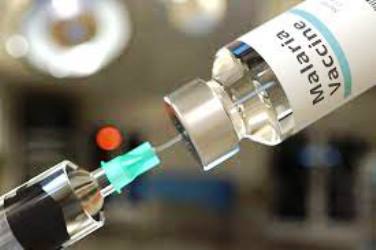
Dr. Damham outlined key strategies adopted by the state, including the introduction of malaria vaccines, distribution of long-lasting insecticide-treated nets, seasonal malaria chemoprevention for children, improved access to diagnosis and treatment, larviciding, environmental management, and intermittent preventive therapy for pregnant women.
He stressed that prevention, early diagnosis, and prompt treatment must remain central to the state’s health strategy, warning that any complacency could reverse the fragile progress recorded.
The commissioner called for increased domestic funding, strengthened disease surveillance, and equitable access to healthcare services, especially in rural and hard-to-reach communities.
He reaffirmed the government’s commitment to achieving universal malaria diagnosis and treatment coverage, alongside widespread adoption of preventive measures by 2030.
In his remarks, the Executive Chairman of the Bauchi State Agency for Control of AIDS, Tuberculosis and Malaria (BACATMA), Dr. Adamu Umar Sambo, announced plans to distribute about five million insecticide-treated mosquito nets across the state.
Also speaking, the Executive Chairman of the Bauchi State Primary Healthcare Development Board, Dr. Rilwanu Mohammed, represented by Umar Hassan Waziri, emphasised that community participation remains critical in the fight against malaria. He urged residents to consistently use mosquito nets and maintain proper environmental sanitation.
The State Programme Manager of Malaria Consortium, Dr. Nuhu Saleh, commended the state government’s commitment, noting that sustained interventions have reduced malaria prevalence from about 40 percent in 2015 to 17.8 percent in 2026.
Development partners at the event reaffirmed their support for malaria eradication efforts, urging policymakers to prioritise preventive strategies alongside treatment.
