


The education crisis confronting Sokoto State, Kebbi State and Zamfara State is forcing policymakers to rethink traditional interventions. With an estimated 1.9 million children out of school across the three states, attention is shifting from remedial enrolment drives to a more foundational question: what happens before a child ever steps into a primary classroom?
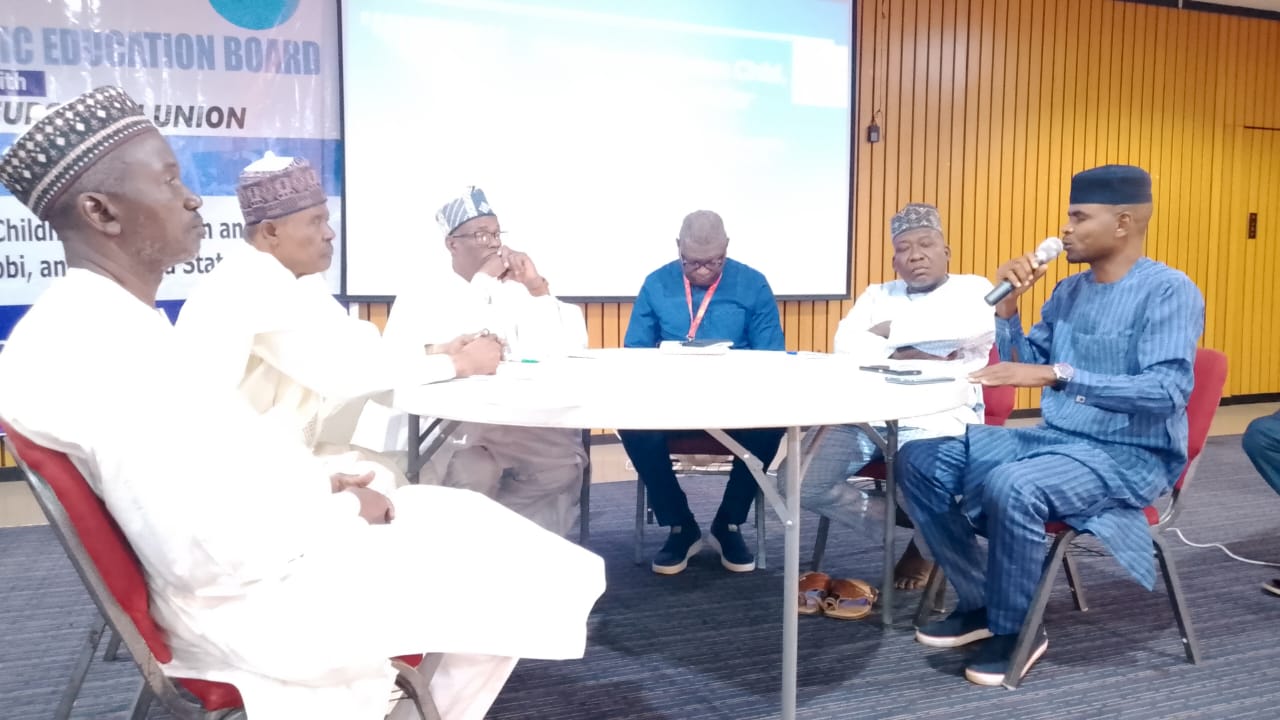
At a two-day media dialogue in Sokoto, stakeholders argued that the region’s education recovery strategy must prioritise Early Childhood Development (ECD) as a structural reform, not a supplementary programme. The dialogue, organised by the Sokoto State Universal Basic Education Board in collaboration with UNICEF and funded by the European Union, brought together policymakers, development partners and journalists to interrogate the roots of the crisis.
Rather than viewing the 1.9 million figure as a stand-alone enrolment deficit, participants framed it as the cumulative result of systemic weaknesses — particularly the absence of structured early learning opportunities in many communities.
The Chief of Field Office, UNICEF Sokoto, Dr Michael Juma, described early childhood education as a strategic lever for long-term transformation. According to him, children who lack exposure to organised early learning environments often enter primary school without foundational literacy, numeracy and social skills. This early disadvantage, he noted, frequently translates into poor academic performance, repetition, and eventual dropout.
Education Specialist with UNICEF Nigeria, Francis Elisha, reinforced this argument in a technical presentation, linking weak early foundations directly to retention challenges. He explained that school readiness is not automatic; it is cultivated. Where structured pre-primary systems are absent, children face steep adaptation barriers that undermine confidence and sustained engagement.
State officials used the forum to outline policy responses. The Executive Chairman of SUBEB, Alhaji Umar Nagwari Tambuwal, and the Commissioner for Basic and Secondary Education, Professor Ahmad Ladan Ala, pointed to ongoing reforms aimed at expanding access to early learning centres and strengthening teacher capacity. They reiterated the commitment of Governor Ahmed Aliyu’s administration to reposition foundational education as a core priority in tackling the out-of-school burden.
Beyond policy pronouncements, discussions at the dialogue focused on mobilising political will, increasing budgetary allocations for early years education, and leveraging the media as a behavioural change catalyst. Participants emphasised that enrolment campaigns alone cannot resolve the crisis without parallel investment in the quality and accessibility of early learning structures.
The programme will culminate in a field visit to a primary school in Sokoto — a symbolic reminder that policy discourse must translate into measurable classroom outcomes.
As Northwest Nigeria confronts one of the country’s most severe education deficits, the emerging consensus is clear: reversing the out-of-school crisis requires upstream intervention. Strengthening early childhood systems may prove to be the most cost-effective and sustainable pathway toward restoring confidence in the region’s education architecture and securing long-term human capital development.
