


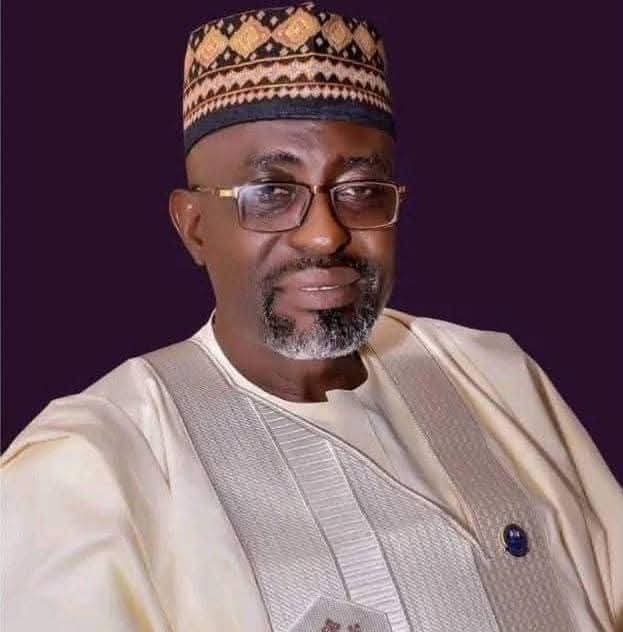
Prof. Muhammad Bashar Nuhu Tachi stands out as a compelling example of purposeful leadership, defined not merely by position but by measurable impact on self, community, and society. In evaluating true leadership, three critical questions often arise: what has an individual done for themselves, their community, and their people? In Prof. Nuhu’s case, the answers provide a strong affirmation.
From humble beginnings, Prof. Nuhu’s journey has been marked by discipline, resilience, and academic excellence. His educational trajectory—from primary through tertiary levels—was distinguished by consistent brilliance, laying a solid foundation for his professional and leadership achievements. His rise through the ranks has been driven by merit, diligence, and an unwavering commitment to excellence.
Known for his organizational acumen, Prof. Nuhu has demonstrated exceptional capacity in every office he has held. His leadership style combines structure, vision, and execution—qualities that have consistently translated into tangible results.
One of his earliest notable contributions was the construction of the first Jumu’at mosque in Egwa, his maternal home village. This initiative, undertaken during his formative years, reflected both personal sacrifice and a deep sense of community responsibility. The mosque was later commissioned under the directive of the Emir of Minna, Dr. Umar Faruk Bahago, further underscoring its significance.
Prof. Nuhu’s track record at the Minna Emirate Education Foundation remains open to public scrutiny, with verifiable outcomes. His performance there earned him the confidence of former Niger State Governor, Dr. Mu’azu Babangida Aliyu, who appointed him Commissioner for Tertiary Education. During his tenure, the sector experienced notable growth, including expanded access and institutional development.
A key legacy of his time in office was the establishment of the Niger State School of Agriculture Study Centre in Kuta, which has contributed to strengthening tertiary education in the Niger East Senatorial District. His efforts also extended to infrastructure, notably facilitating the completion of the multi-million naira Lakpma Bridge—an abandoned project that, once completed, improved connectivity and significantly reduced fatalities associated with river crossings.
In the health sector, Prof. Nuhu initiated and supported the construction of a paediatric ward at the Rural Health Centre in Kuta, addressing concerns over child mortality. Additionally, under his leadership as Chairman of the Ward Development Project, several communities gained access to potable water, improving public health and quality of life.
Recognizing the need for social reorientation, he introduced the Personal Change Reform (PCR) initiative, aimed at discouraging social vices, reducing idleness, and encouraging productive engagement among youths and adults alike.
Despite his current responsibilities as Director of Finance at the North Central Development Commission, Prof. Nuhu remains closely connected to his grassroots base. His regular presence in Ubandoma Ward, Shiroro Local Government Area, reflects his belief that effective politics and leadership begin at the local level. His influence has contributed to making the ward one of the most organized in Kuta, despite its complex dynamics.
Taken together, these achievements underscore a leadership philosophy anchored in service, accountability, and community transformation. For many, Prof. M.B. Nuhu exemplifies what it means to lead with purpose in contemporary times.
Lokoja is Special Assistant on Communications and Community Development to the Director of Finance, North Central Development Commission.
