


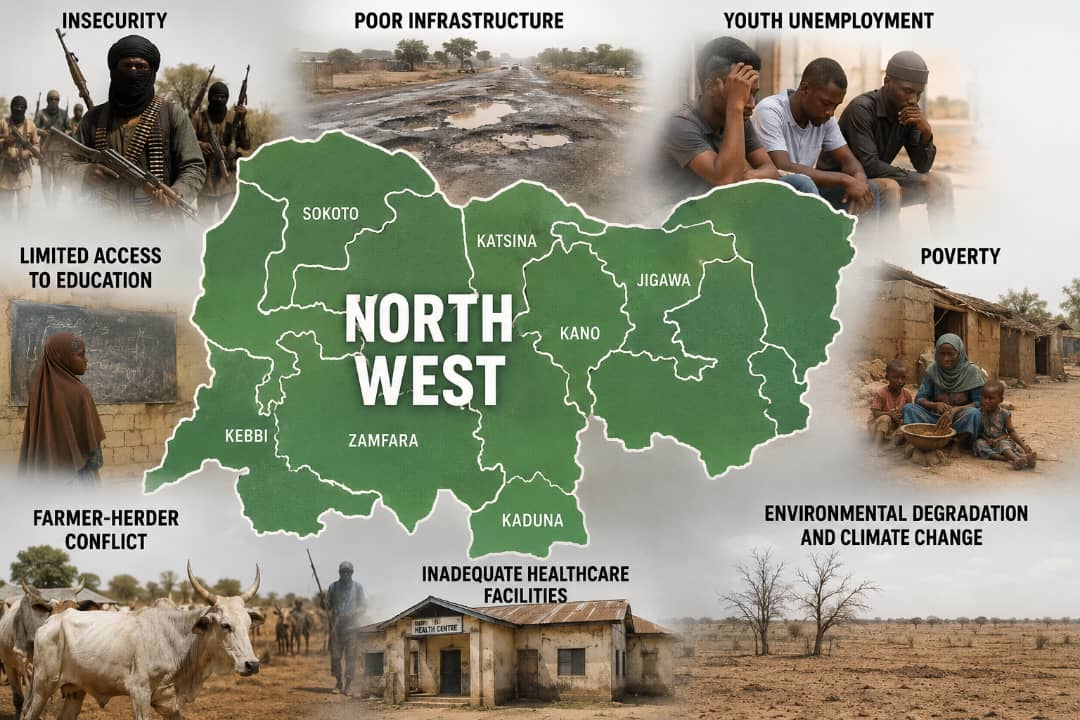
Key stakeholders from Nigeria’s North-West region have thrown their weight behind the draft National Regional Development Policy (NRDP) 2026–2030, while calling for urgent action to address insecurity, infrastructure deficits, educational challenges, and social exclusion across the zone.
The position was contained in a communiqué issued at the end of a regional validation workshop on the draft policy, organised by the Federal Ministry of Regional Development in partnership with the North-West Development Commission (NWDC), with technical support from the United Nations Development Programme (UNDP).
The one-day event, held in Kano, brought together representatives of federal and state governments, local councils, traditional institutions, civil society groups, academia, development partners, and private sector actors from across the seven North-West states.
Opening the workshop, Permanent Secretary of the Ministry of Regional Development, , stressed the importance of a coordinated and inclusive approach to regional development. The Managing Director and Chief Executive Officer of the , , also reaffirmed the commission’s commitment to promoting sustainable growth and economic transformation across the region.
Following extensive deliberations, participants identified security as a critical priority and recommended strengthening community-based security structures and grassroots surveillance mechanisms to tackle the unique security challenges facing the North-West.
The stakeholders further urged regional development agencies and state governments to invest in tourism infrastructure and enhance facilities capable of attracting economic activity to the region. They also called for stricter enforcement of Corporate Social Responsibility obligations by companies operating in host communities, particularly through the provision of essential amenities and employment opportunities.
The communiqué highlighted the need to mainstream social inclusion across government programmes and projects, with particular emphasis on ensuring that Persons With Disabilities have access to public infrastructure and services.
Participants also underscored the role of traditional and religious leaders in combating drug abuse, addressing youth restiveness, and fostering peaceful coexistence within communities.
In the education sector, stakeholders advocated the development of a region-specific framework to improve access to quality learning, address the educational needs of nomadic children, strengthen human capital development, and help reduce tensions associated with farmer-herder conflicts.
They stressed that development interventions under the National Regional Development Policy should be guided by comprehensive needs assessments to ensure that projects and programmes respond effectively to the realities on the ground.
The workshop further called on the North-West Development Commission to leverage the region’s vast natural and economic resources while working closely with state governments to accelerate sustainable development and fulfil its mandate.
To strengthen regional connectivity and economic integration, participants recommended investments in strategic infrastructure projects, including modern abattoirs, rail transportation systems, and road networks. They also encouraged governments to explore Public-Private Partnership arrangements to mobilise funding for such projects.
The communiqué additionally emphasised the importance of gender inclusion, urging greater participation of women in governance and decision-making processes, as well as expanded educational opportunities for girls across the region.
Stakeholders also advocated stronger collaboration between the NWDC and state governments in establishing agricultural hubs, industrial parks, vocational training institutions, and skills acquisition centres. They further called for increased investment in green economy initiatives that create opportunities for women and young people.
As part of the implementation strategy, participants urged all North-West state governments to formally adopt the National Regional Development Policy through their State Executive Councils, designate focal ministries to coordinate implementation, and provide counterpart funding through annual budgets and Medium-Term Expenditure Frameworks, with special attention to vulnerable and underserved populations.
They also recommended that the Ministry of Regional Development establish clear Key Performance Indicators to monitor progress and evaluate the impact of projects, programmes, and policies under the NRDP 2026–2030.
The resolutions were adopted at the conclusion of the validation workshop held on June 8, 2026, in Kano.
