


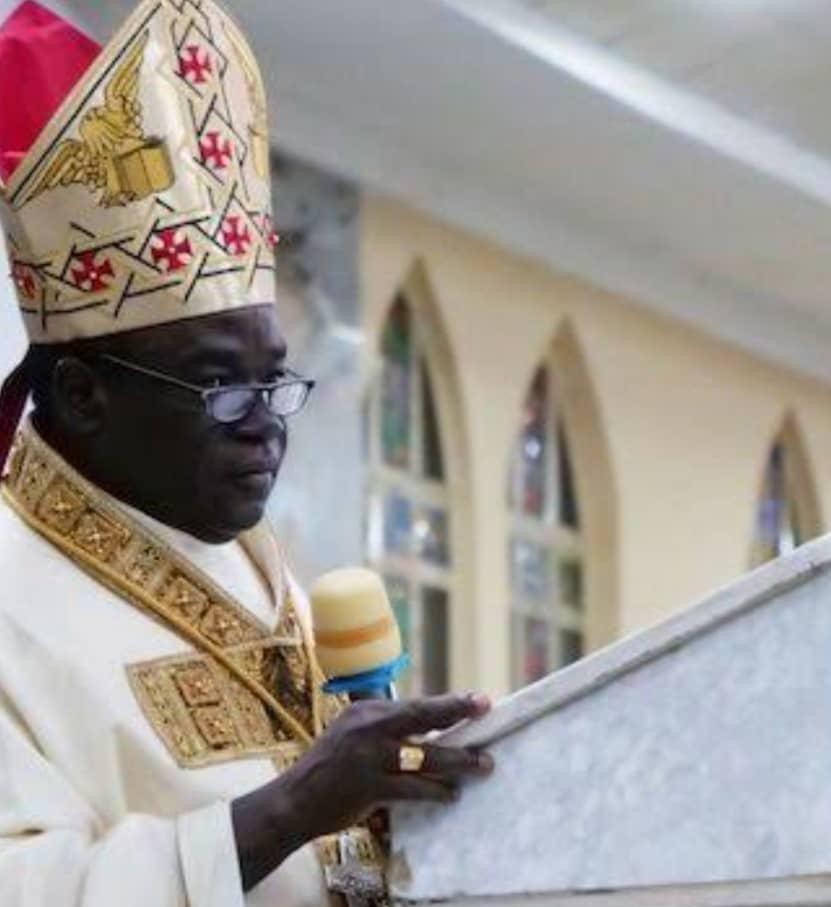
The Catholic Bishop of Sokoto Diocese, Matthew Hassan Kukah, has called on Nigerians to embrace hope, faith and collective responsibility despite the country’s deepening security and humanitarian challenges, saying Christmas remains a powerful reminder that light can overcome even the darkest circumstances.
In his 2025 Christmas message titled “Joy and Hope in a Time of Tribulation,” Bishop Kukah acknowledged that Nigeria is celebrating the season amid widespread violence, sorrow and insecurity, but stressed that the birth of Christ affirms God’s abiding presence with humanity.
He urged political leaders to show greater resolve in easing the suffering of citizens, insisting that while resources may not satisfy elite greed, there is enough to meet the basic needs of the people.
Reflecting on the persistence of violence across communities, the bishop warned against despair, noting that even the birth of Jesus occurred in an atmosphere of fear, poverty and state-sponsored brutality.
He reminded Christians that Christmas is a call to renewed strength and perseverance, particularly in the face of repeated cycles of bloodshed that have torn families and communities apart.
Bishop Kukah drew attention to the plight of children caught in conflicts across the world, including Gaza and Sudan, and said Nigeria’s own experience has been especially painful.
He cited the unresolved tragedies of the Chibok and Dapchi schoolgirls, as well as more recent incidents, lamenting what he described as official negligence and complicity.
According to him, thousands of Nigerian children remain exposed to abduction, early marriage, slavery and various forms of abuse, placing the nation’s future at grave risk.
Calling the struggle against violence a moral and spiritual battle, the cleric insisted that Nigerians must take responsibility for confronting the roots of evil within society rather than outsourcing solutions. He said the country’s unity in mourning should translate into unity in rebuilding, guided by faith, prayer and moral conviction rather than retaliation or vengeance.
Bishop Kukah attributed the rise of violence to toxic politics, selfishness and greed, arguing that those responsible are products of poor governance, miseducation and moral failure. He described northern Nigeria as the epicentre of the crisis due to entrenched poverty, illiteracy and disease, warning that the nation must choose between education and decline. “We must either renovate, educate or perish,” he said, urging a recommitment to knowledge, ethical leadership and higher moral standards.
Reaffirming the Christian response to persecution, the bishop said the Church has historically endured and outlived empires through faith rather than force. He cautioned against the temptation to respond to violence with violence, stressing that true strength lies in spiritual resilience and trust in God.
He also paid tribute to victims of abduction, banditry, armed robbery and communal violence, calling for prayers for the dead and renewed commitment to building a society rooted in peace and justice. Bishop Kukah urged Nigerians to see Christmas not merely as a festive date but as a vocation to reflect Christ through love, reconciliation and compassion.
Acknowledging the recent return of abducted children, the bishop commended the Federal Government and all stakeholders involved, while describing the incident as “one ordeal too many.” He expressed hope that it would mark the end of such tragedies and encouraged Nigerians not to deny themselves the joy of the season despite ongoing trials.
“Even in uncertainty,” he said, “we must remain ambassadors of Christ, carrying a message of joy, peace and reconciliation to the world.”
